The 3 Systems That Control Balance (And Why Identifying the Right One Matters)
Balance is something most people never think about....until it suddenly becomes difficult and you've gone through some pretty terrifying moments...
When someone starts feeling unsteady, dizzy, or afraid of falling, the natural reaction is often to “work on balance.” But here’s the tough part:
Balance isn’t controlled by just one system in the body.
Your brain constantly integrates information from three major systems to keep you upright, oriented, and safe while moving through your environment:
Somatosensory system (body awareness / proprioception)
Vestibular system (inner ear balance system)
Visual system
When one of these systems becomes less reliable, the brain may compensate by relying more heavily on the others. Sometimes that works well. Other times it creates dizziness, instability, or increased fall risk. So that whole 'stand on one leg thing'.....not super effective!
Understanding which system may be contributing to the problem is one of the most important steps in creating an effective recovery plan.
Let’s break down how each system contributes to balance and what rehabilitation may involve.
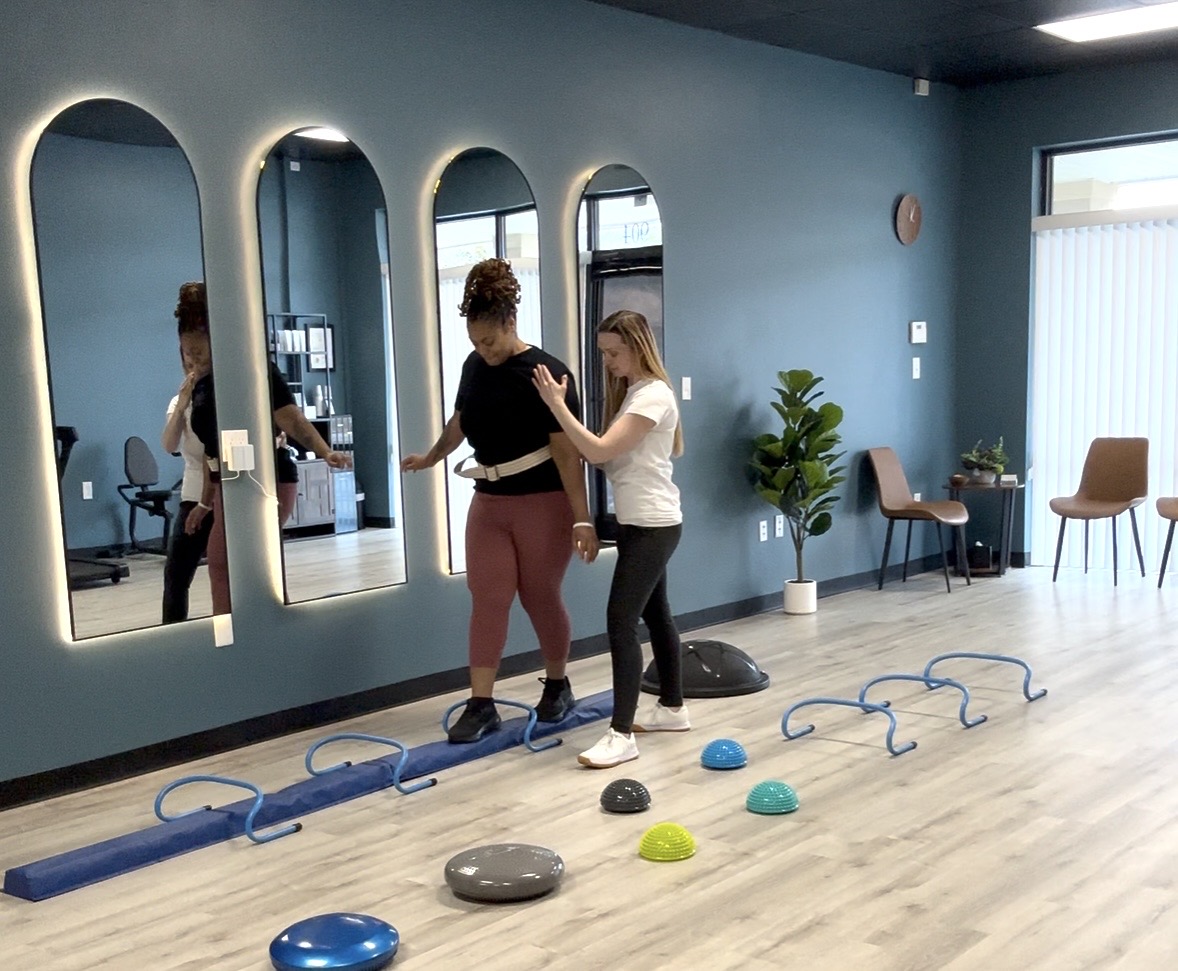
1. Somatosensory System (Body Awareness)
Your somatosensory system provides information about where your body is in space. Sensory receptors in your feet, joints, and muscles send signals to the brain about pressure, movement, and position.
This allows you to make small adjustments to stay balanced, even without looking down.
When somatosensation is impaired, people may notice:
Feeling wobbly or unstable
Difficulty walking in low lighting
Greater reliance on watching their feet
Increased instability on uneven surfaces
This system can be affected by several conditions, including peripheral neuropathy, joint instability, or neurologic disorders.
What Rehabilitation May Focus On
Sensory Reweighting
If the somatosensory system isn't contributing as much, therapy may focus on helping the brain adapt and use it more and to not solely rely on the other balance systems.
This can include balance activities that intentionally reduce visual input so the brain learns to rely more on body awareness.
Examples may include:
Balance exercises performed with eyes closed
Standing on varied surfaces
Weight-shifting activities that increase awareness of pressure through the feet
Walking backward - where you cannot see where your are going and are relying more on sensation
Safe Compensatory Strategies
When someone relies more heavily on vision for balance, safety strategies can be important. These might include:
Ensuring good lighting in the home
Avoiding dark environments when possible
Using visual references in the environment while moving
Addressing Progressive Causes
If reduced somatosensation is related to conditions like diabetic neuropathy, lifestyle factors may also be addressed to help slow progression.
This could include:
Blood sugar management
Protective foot care and regular foot checks
Safe exercise strategies
2. Vestibular System (Inner Ear Balance System)
The vestibular system, located in the inner ear, detects head movement and changes in position. It works closely with the brain to stabilize your vision and maintain equilibrium while moving.
When this system isn’t functioning efficiently, people may experience:
Vertigo (spinning sensations)
Motion sensitivity
Difficulty with quick head movements
Feeling worse in busy environments or during movement
The vestibular system also helps control the vestibulo-ocular reflex (VOR), which keeps your vision stable when your head moves.
What Rehabilitation May Focus On
A major goal of vestibular rehabilitation is helping the brain recalibrate and strengthen vestibular input.
This often involves gradually decreasing reliance on visual cues while encouraging the vestibular system to contribute more effectively.
VOR Training
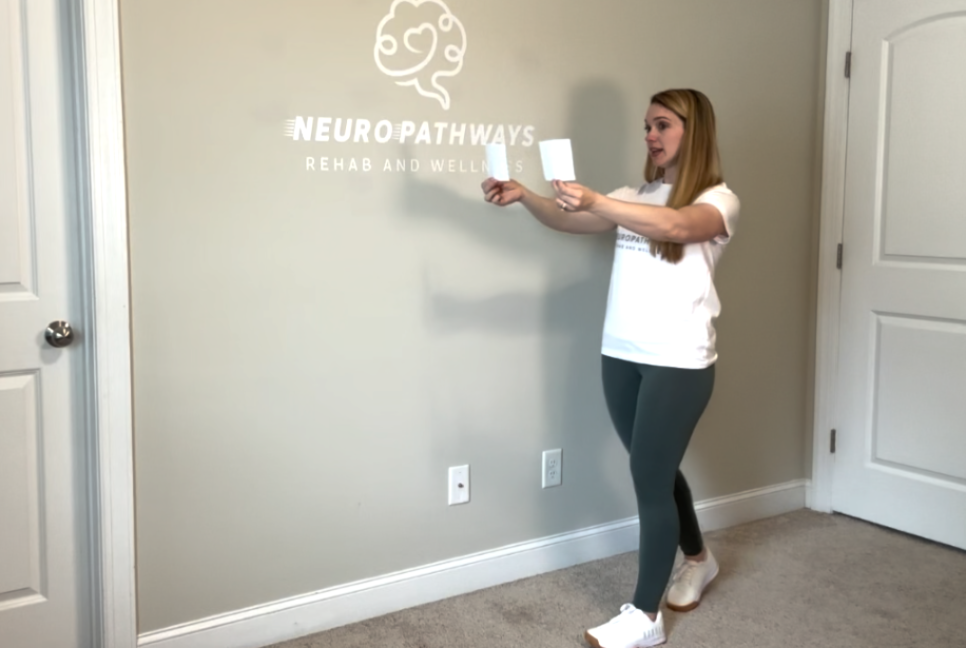
Exercises may involve controlled head movements while maintaining visual focus on a target. This helps strengthen the connection between the vestibular system and the eyes.
Functional Head Movement Activities
Therapy may incorporate balance and movement tasks that include:
Turning the head while walking
Reaching or bending while changing head position
Functional tasks that involve direction changes
These activities help the brain learn to process vestibular signals more efficiently during everyday movements.
3. Visual System
Vision provides powerful information about the environment and helps orient the body relative to surrounding objects.
However, when someone relies too heavily on vision for balance, they may become sensitive to visual motion or feel overwhelmed in busy environments.
People may notice:
Increased dizziness in crowded stores
Difficulty with screens or scrolling
Feeling unstable when things move around them
What Rehabilitation May Focus On
When visual input becomes overly dominant, therapy may focus on strengthening the other two balance systems so the brain does not depend solely on vision.
This can include:
Activities that reduce visual input temporarily
Balance exercises performed in different sensory environments
Training the vestibular system to better stabilize vision during movement
Over time, the goal is for the brain to use all three systems more efficiently, rather than relying heavily on just one.
Why Identifying the Right System Matters
Two people can both say:
“I feel off balance.”
But the underlying cause may be completely different.
One person may need vestibular retraining.
Another may need strategies to compensate for somatosensory loss.
Another may be overly dependent on visual input.
Without identifying the primary contributors, people may try exercises that don’t address the root issue—leading to frustration or stalled progress.
This is why individualized assessment is so important in neurologic and dizziness rehabilitation.
The Takeaway
Balance is not controlled by one system alone. Your brain relies on a constant conversation between:
Body awareness (somatosensation)
Inner ear balance pathways (vestibular system)
Vision
When one system struggles, the others must adapt. The key is understanding how your brain is currently using these systems and creating a plan that restores confidence and safety in movement.


